By Pegasus Plumbers Ltd

When people ask what size boiler they need, they usually mean its output, not the size of the box on the wall. Output is measured in kilowatts (kW), and the right figure depends on the type of boiler, how much heat your home loses and how much hot water you use at once. Most homes need less than people expect, and bigger is not better.
This guide explains what the numbers on a boiler mean, why combi boilers are sized differently from other boilers, the rough ranges most homes fall into, and a few safe checks you can make before an engineer visits. None of them involve opening the boiler casing.
What boiler size actually means
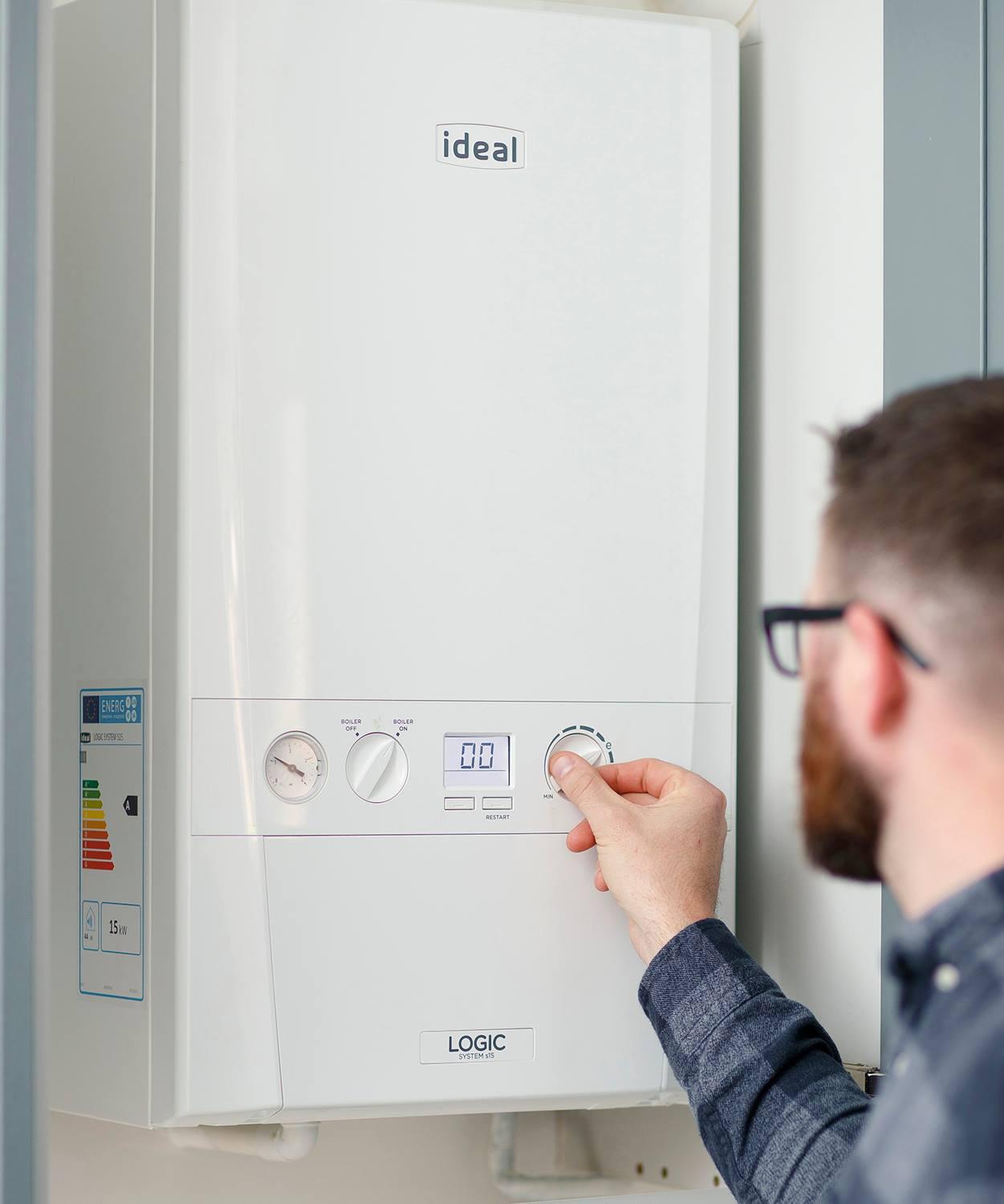
A boiler's output is the most heat it can produce, measured in kW. The physical size of the boiler tells you very little about it.
Combi boilers often list two figures, one for central heating and one for hot water. The hot water figure is usually the higher one, because heating water instantly for a shower takes far more power than keeping radiators warm.
Why combi boilers are sized for hot water
A combi boiler heats water straight from the mains as you turn on a tap, with no hot water tank. Because of that, it is sized mainly for hot water flow rate, which is how many litres of hot water a minute it can deliver. The more hot water you want at once, for a stronger shower or a faster bath, the bigger the boiler needs to be.
As a rough guide, industry and manufacturer guides put combi sizes at about:
- 24 to 27kW for a flat or smaller house with one bathroom and up to around 10 radiators
- 28 to 34kW for a three or four bedroom house with up to around 15 radiators
- 35 to 42kW for a larger home with two bathrooms and up to around 20 radiators
These are starting points, not a prescription. Even a large combi struggles when two showers run at the same time. In a home with four or more bedrooms and three bathrooms, a combi is unlikely to be the best choice. Our guide to what a combi boiler is explains when one suits a home and when it doesn't.
Why system and regular boilers are sized for heating
A system boiler heats water into a hot water cylinder, usually kept in an airing cupboard. A regular boiler, also called a conventional or heat-only boiler, works the same way but also uses a cold water tank in the loft. Neither has to heat water the moment a tap opens, so both are sized for your heating instead.
That means sizing them by heat loss, which is how quickly your home loses warmth through its walls, windows, roof and floors on a cold day. For an average home that is often somewhere around 10 to 20kW, which is why a system or regular boiler can often have a lower output than a combi in the same house. You can read more in our guide to what a system boiler is.
The trouble with a boiler that is too big or too small
An oversized boiler heats your radiators quickly, reaches temperature, switches off, then fires up again a few minutes later. This is called short cycling. It wastes gas and puts extra wear on parts, because modern condensing boilers work most efficiently running low and steady. It is one of the reasons a boiler keeps turning off by itself.
An undersized boiler has the opposite problem. Rooms take a long time to warm up in a cold spell, and an undersized combi can give a weak or lukewarm shower in winter, when the water coming in from the mains is colder and needs more heating.
Why your mains water matters as much as the boiler
A combi can only deliver hot water as fast as cold water comes into your home from the mains. If your incoming flow is weak, a bigger combi will not give you a better shower.
That is why a good survey looks at your water supply as well as the boiler. If you already notice weak taps or showers, our guide to low water pressure in the house covers the common causes.
Safe checks you can make before a survey
You can gather useful details before anyone visits:
- Count your radiators, including heated towel rails.
- Count your bathrooms and showers, and how many are used at the same time on a busy morning.
- Find the make, model and kW of your current boiler in its manual or on the label on the outside of the case. Never remove the casing to look.
- Check your mains flow. Turn the kitchen cold tap fully on, fill a jug or bucket for 10 seconds, measure how much water you collected and multiply by six to get litres per minute.
- Note any rooms that never feel warm, and any changes since the boiler was fitted, such as an extension, a loft conversion, new windows or extra insulation.
Why an engineer still needs to see your home
The right size comes from a heat loss calculation. That means looking at each room, the walls, windows and insulation, and how you use hot water. A gas boiler must also be fitted by a Gas Safe registered engineer.
The rules matter too. In England, a new gas boiler must have an efficiency rating of at least 92% ErP, the standard European efficiency measure, and come with a timer and a room thermostat. A new combi also needs one extra energy-saving measure, such as weather compensation, which adjusts the boiler's temperature to the weather outside, or smart controls that learn how your home heats up.
The same heat loss figure also shows whether an air source heat pump could heat your home.
When we quote for a new boiler, we look at your home and how you use hot water, then recommend the type and size that suit it, rather than simply the biggest one available.
If your boiler is getting old or you are planning ahead before the coldest months, Pegasus Plumbers Ltd can survey your home in Romsey or the villages around it and talk you through the right boiler for it. Book a visit through our boiler installation service and we will explain the options clearly, including whether a heat pump is worth considering.